How Does Skin Whitening Treatment Work?
Skin Whitening Treatment in Dubai
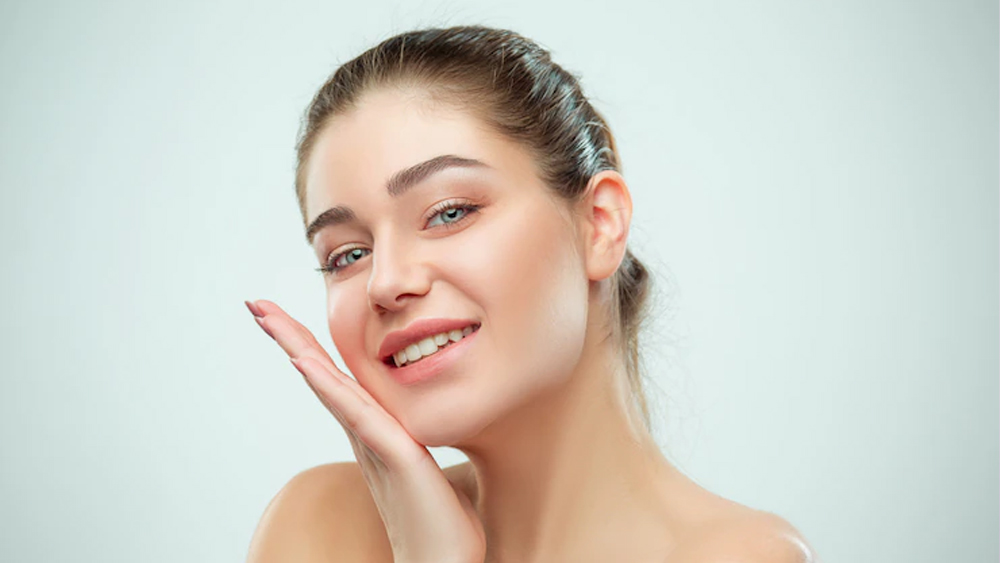
Skin whitening treatments have gained global popularity, often associated with the pursuit of a brighter, more even skin tone. While many seek these treatments to address pigmentation, sun damage, or melasma, a common public curiosity persists: “How Do Celebrities Become White?” Though genetics and makeup contribute, dermatological interventions like skin whitening treatments play a significant role in achieving and maintaining such results. Understanding how these treatments work requires a clear view of the science behind skin pigmentation and the various methods used to alter or suppress melanin production.
What Determines Skin Color?
The color of our skin is determined by melanin—a natural pigment produced by cells called melanocytes. There are two types of melanin: eumelanin (brown to black) and pheomelanin (yellow to red). The balance and amount of these pigments determine the color of an individual’s skin.
Factors influencing melanin production include:
Genetics
Hormonal changes
UV exposure
Inflammation or skin injury
Excessive melanin can result in hyperpigmentation, age spots, and uneven skin tone—issues that skin whitening treatments aim to address.
The Purpose of Skin Whitening Treatments
Skin whitening doesn’t necessarily mean making the skin “white.” Rather, it focuses on achieving a lighter, more even complexion by:
Reducing melanin production
Treating hyperpigmentation
Minimizing discoloration and dark patches
Enhancing skin brightness and radiance
These treatments are particularly popular among individuals with skin concerns caused by acne scars, sun damage, or melasma.
How Skin Whitening Treatments Work
Different treatments target melanin synthesis and accumulation in distinct ways. Most whitening treatments aim to either reduce the production of melanin or accelerate the turnover of skin cells to eliminate pigmented ones. Here are the core mechanisms:
Inhibition of Tyrosinase
Tyrosinase is a key enzyme in melanin production. Many skin lightening agents inhibit this enzyme, thus slowing down or stopping melanin synthesis.
Common tyrosinase inhibitors include:
Kojic acid
Arbutin
Licorice extract
Vitamin C
Azelaic acid
These agents are found in both topical skincare and professional treatments.
Exfoliation of Pigmented Skin Cells
Some treatments work by removing the outermost layer of the skin, which contains dead cells loaded with melanin. This leads to a brighter appearance and facilitates better absorption of whitening agents. Chemical peels and microdermabrasion are common examples. They use acids (such as glycolic or lactic acid) to dissolve dead skin and promote fresh skin cell growth.
Suppression of Melanocyte Activity
Certain treatments aim to disrupt melanocyte function, which directly lowers melanin output. For instance, laser therapies and some prescription medications suppress melanocyte activity over time, leading to visible brightening.
Skin Cell Turnover Acceleration
When the rate of cell turnover is increased, pigmented cells are shed more rapidly and replaced with newer, less pigmented cells. Retinoids (vitamin A derivatives) and certain exfoliants help achieve this process.
Types of Skin Whitening Treatments
A variety of clinical and at-home treatments are available. Each method has a unique mechanism and benefits, making it suitable for different skin types and pigmentation issues.
Chemical Peels
Chemical peels involve the application of acids to exfoliate the top skin layers. Depending on the depth, peels can target superficial blemishes or deeper pigmentation. A dermatologist will select the type of acid based on skin condition and tone.
Laser Therapy
Laser-based treatments, such as Q-switched lasers and fractional lasers, are used to break down melanin deposits in the skin. These devices use focused light energy to target pigmentation without harming surrounding tissue. Laser treatments also promote collagen production and skin rejuvenation, offering dual benefits.
Microdermabrasion and Dermabrasion
These are mechanical exfoliation techniques that remove the surface layer of skin. While microdermabrasion is more gentle, dermabrasion penetrates deeper and is often used for severe pigmentation or scarring.
Glutathione-Based Treatments
Glutathione, a powerful antioxidant, is sometimes administered through oral supplements or injectables. It works by neutralizing free radicals and shifting melanin production from eumelanin to pheomelanin, which is lighter in color. While widely popular, especially in Asia, its efficacy and long-term safety continue to be studied.
Benefits of Skin Whitening Treatments
When professionally supervised and correctly administered, skin whitening treatments offer several advantages:
Enhanced skin tone uniformity
Reduction in age spots and melasma
Brighter, radiant appearance
Improved self-confidence and skin clarity
Importantly, these treatments are not limited to cosmetic purposes—they are often used therapeutically to manage post-inflammatory hyperpigmentation and chronic pigmentation disorders.
Who Is a Good Candidate?
Skin whitening treatments are suitable for individuals looking to:
Treat dark spots, sun damage, or discoloration
Even out skin tone
Manage pigmentation issues like melasma or freckles
A consultation with a certified dermatologist is vital. Skin type, underlying conditions, and goals will influence the most appropriate treatment plan.
Conclusion
Skin whitening treatments offer a science-backed solution to individuals seeking an even, luminous complexion. Whether through topical agents, lasers, or antioxidant-based therapies, these methods work primarily by targeting melanin production and enhancing skin renewal. Understanding how these treatments work allows individuals to make informed decisions tailored to their needs, ensuring both safe and satisfying results.


